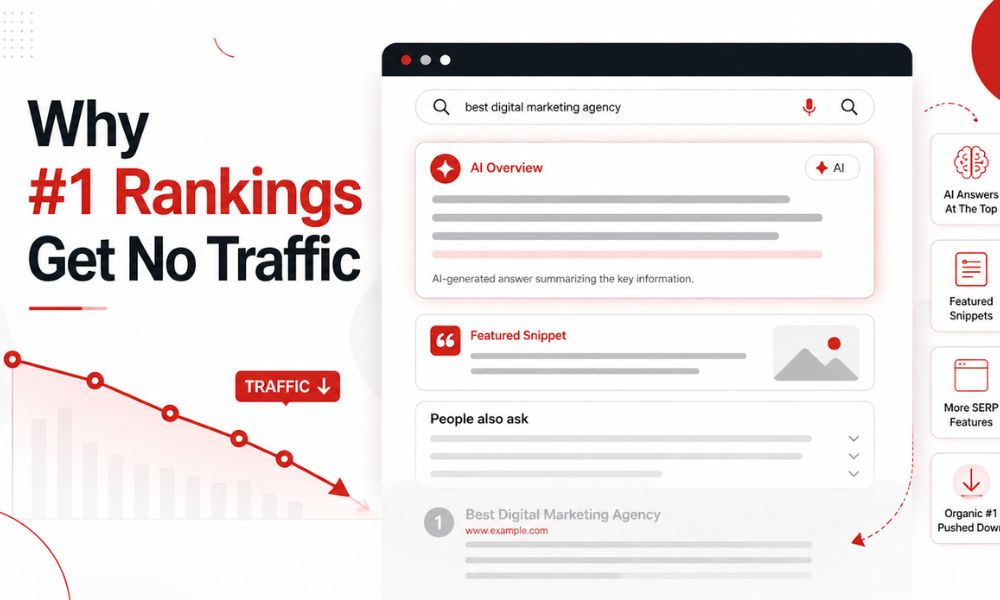
Why #1 rankings get no traffic is one of the most frustrating realities in modern SEO. You invest in your SEO website, improve your Google search rankings, and consistently appear in relevant search results, yet your website traffic does not reflect that effort.
At first, it feels like something is broken. You check website traffic, review analytics, and compare performance. Everything looks stable.
But traffic tells a different story.
This shift is not about poor execution. It is about how search works today.
With the rise of zero-click search and Google AI search, users now get answers instantly, often without visiting a website.
What Is Zero-Click Search
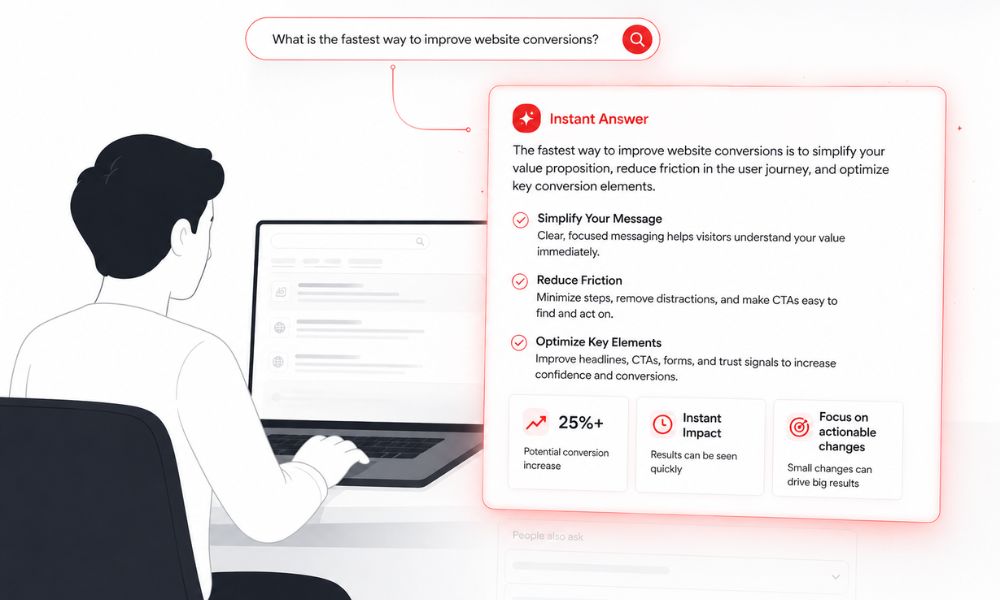
Zero-click search happens when users find answers directly on the search page.
This includes:
- AI-generated summaries
- Featured snippets
- Knowledge panels
- AI tools like ChatGPT and Perplexity
Instead of browsing multiple search websites, users now rely on immediate responses.
Research from SparkToro shows that a large share of searches already end without a click, and that number continues to grow.
Why #1 Rankings Get No Traffic
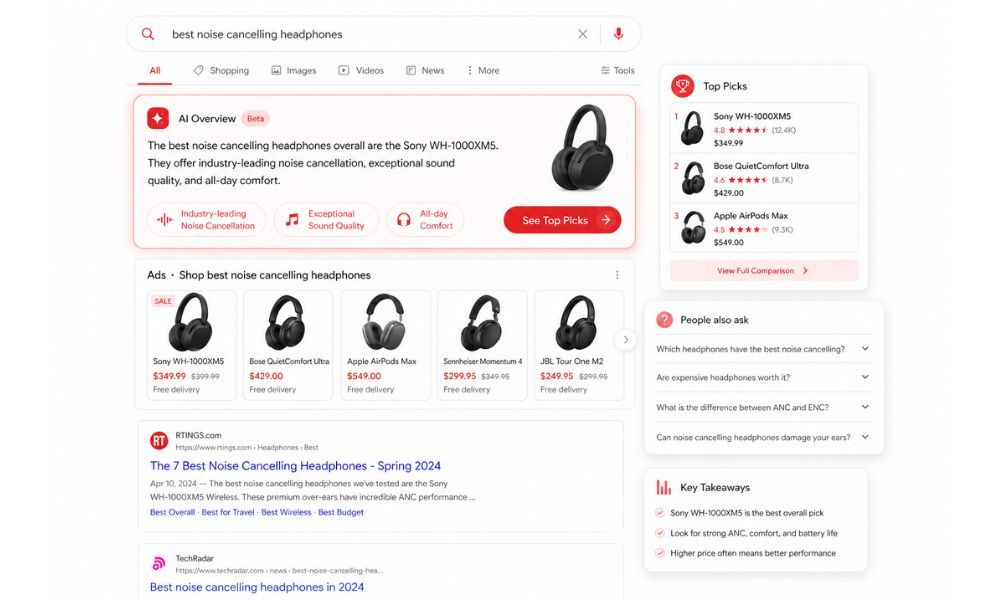
AI answers are replacing clicks
With Google search AI, many queries are answered directly on the results page. Even if your seo website traffic rankings are strong, users may never visit your page.
Search results are more competitive
Modern search results are filled with ads, AI summaries, and interactive elements. This pushes organic listings down and impacts website ranking and traffic.
User behavior has changed
People using search with google expect immediate answers. If they get what they need instantly, they do not click.
This directly reduces website visits, web traffic, and engagement.
Informational queries are most affected
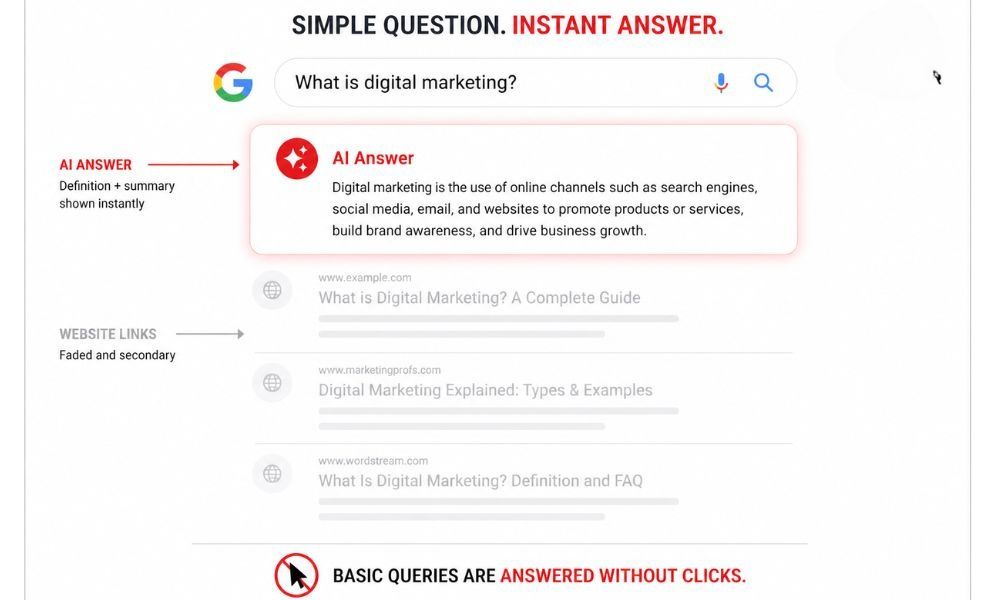
Content targeting general search and SEO queries is often answered directly in search.
This reduces seo website traffic from informational content.
The Real Shift: From Traffic to Visibility
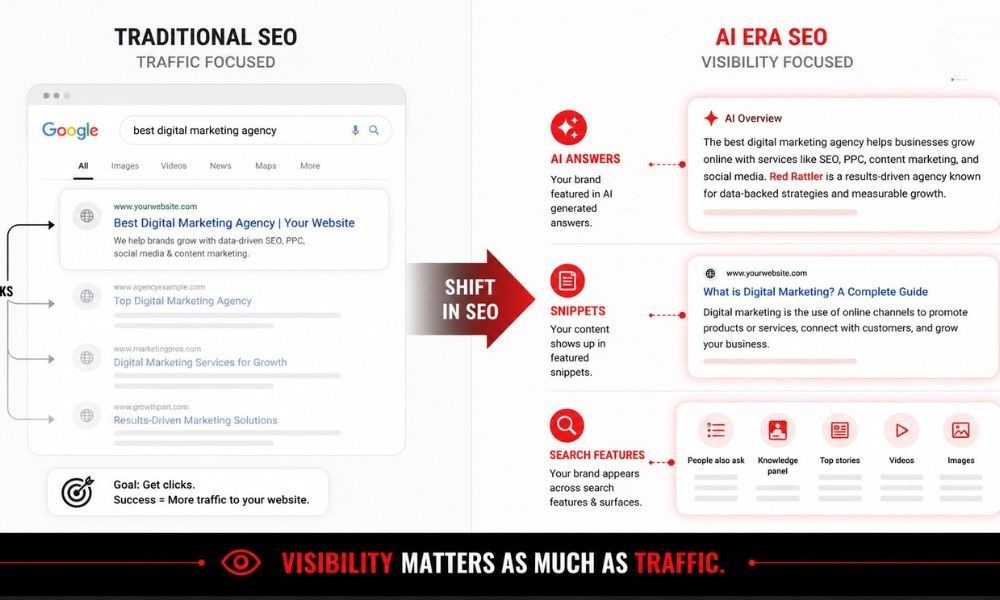
The issue is not that your SEO marketing is failing.
You may still:
- Rank well
- Appear in multiple search rankings
- Maintain strong impressions
But see lower traffic to the website.
This is where many brands misread performance.
A more complete way to evaluate this is through a structured audit. Following a complete website audit checklist for 2026 helps uncover gaps in visibility, UX, and content structure that traditional traffic metrics miss.
How to Fix Zero-Click Search Impact
1. Structure content for AI visibility
Content needs to be clear and easy to extract.
Using structured formats, direct answers, and clean headings increases visibility in AI-driven search. This aligns with how generative engine optimization works in modern SEO, where content is designed for both users and AI systems.
2. Focus on intent, not just keywords
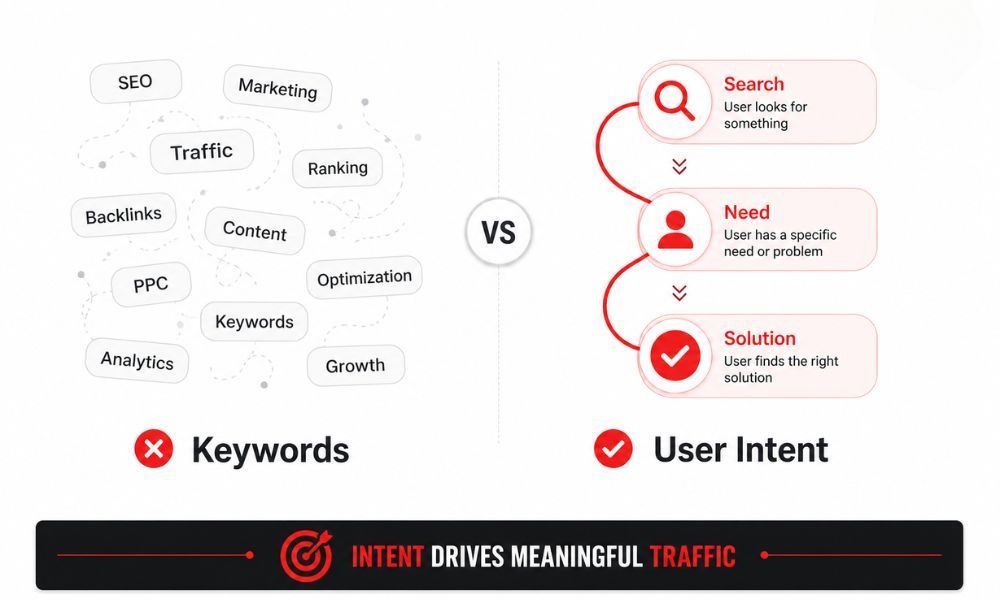
High-volume keywords don’t always drive action.
Understanding how buyer intent affects SEO performance helps you target queries that lead to conversions instead of just impressions.
3. Create content AI cannot replace
AI can summarize basic information, but it cannot replace depth.
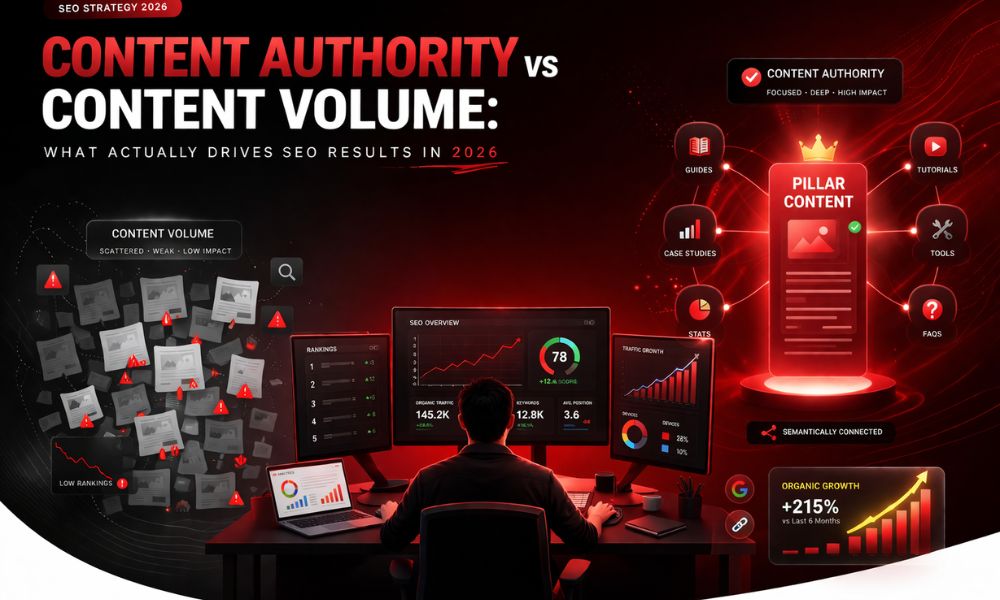
Content built on insights, experience, and data performs better. The difference becomes clear when comparing content authority vs content volume in SEO, where depth and expertise consistently outperform surface-level content.
4. Improve your website experience
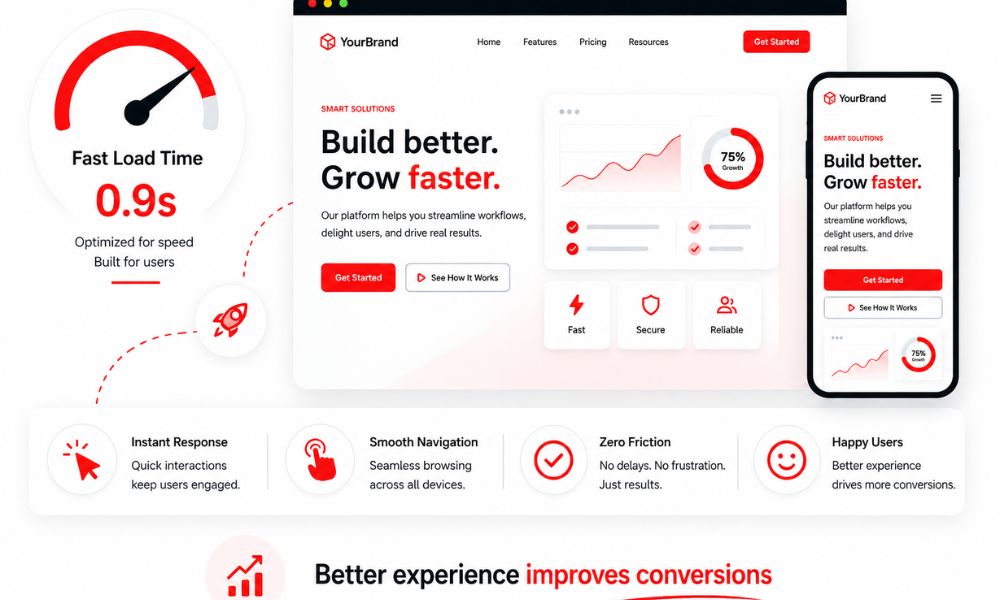
Getting traffic is only part of the equation. What happens after the click matters just as much.
Speed, usability, and design directly affect conversions. That’s why understanding how website speed impacts your revenue is critical for improving engagement.
Design also plays a role. Following mobile-first website design best practices ensures your site performs well across devices and improves user retention.
5. Build visibility beyond your website
AI evaluates your entire presence, not just your pages.
This includes:
- Content across platforms
- Mentions and authority signals
- Activity across social media website channels
Consistency builds trust. Creating content regularly supports broader discovery, which is why blogging increases local SEO visibility over time.
6. Combine SEO with multi-channel strategy
Modern search marketing is not just organic.
Combining SEO with paid campaigns improves reach and consistency. Knowing the difference between Performance Max and search campaigns helps you balance visibility and intent.
At the same time, improving ad performance matters. Learning how to improve Google Ads CTR can increase overall traffic alongside organic efforts.
How to Measure Success Now
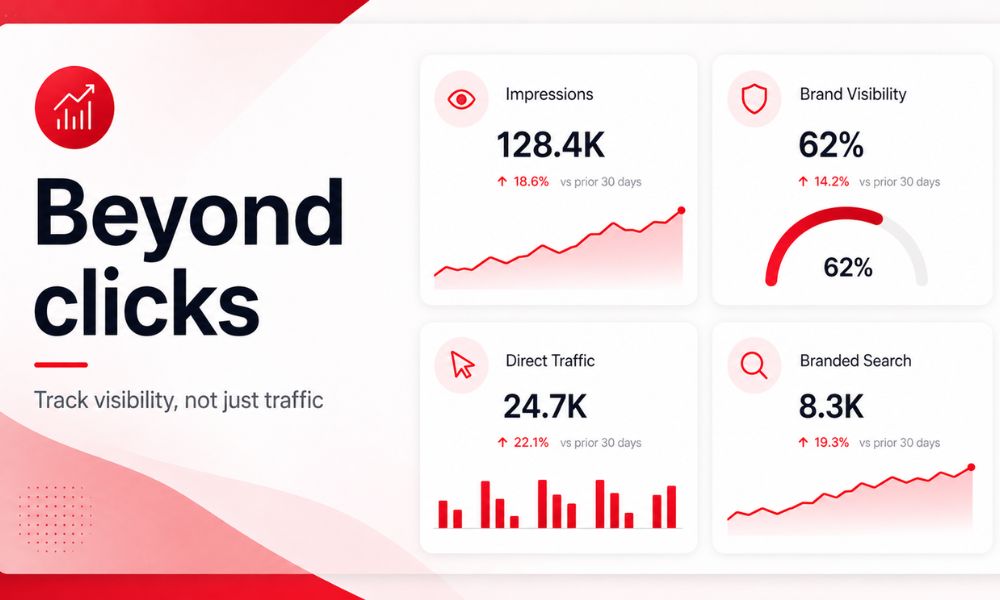
Clicks alone are no longer enough.
To properly measure website traffic, you need to look at:
- Impressions in google search website results
- Brand visibility
- Direct traffic
- Branded search growth
Search platforms like Google continue to evolve toward instant answers, making visibility just as important as clicks.
What to Do Next
If your site traffic rankings are strong but traffic is not growing:
- Improve content structure
- Add answer-focused sections
- Target intent-driven queries
- Strengthen your presence across platforms
These changes help increase web traffic in a way that aligns with modern search behavior.
Wrapping Up…
Why #1 rankings get no traffic comes down to one shift: Zero-click search powered by Google AI search.
Ranking first still matters, but it no longer guarantees website traffic. Success now depends on visibility, intent, and brand presence across the full search experience.
To increase website traffic today, SEO must go beyond rankings and focus on how users actually discover and trust information.
At Red Rattler Creative, we help brands adapt to this shift and build stronger visibility in a zero-click world.
Frequently Asked Questions
What is zero click search?
Zero click search is when users get answers directly from the search page without clicking on a website.
Why is my website traffic dropping even though rankings are stable?
This usually happens because google AI search answers queries instantly, reducing clicks even when rankings remain strong.
How can I increase website traffic?
To increase website traffic, focus on high-intent keywords, improve content quality, and optimize for AI visibility.
Does SEO still matter?
Yes, but it has evolved. SEO now includes structured content, authority building, and visibility across platforms.
What type of content still drives traffic?
Content with unique insights, real examples, and strong intent continues to drive traffic to your website.