
In 2026, local businesses win by talking to customers like actual people, not just numbers on a list. Using AI and customer data, you can send messages that actually matter to each person instead of generic campaigns that get ignored. This shift aligns closely with modern SEO services and data-driven personalization strategies.
The days of blasting the same message to everyone and hoping something sticks are over. Today’s customers expect businesses to understand what they need and show up with real solutions at the right time.
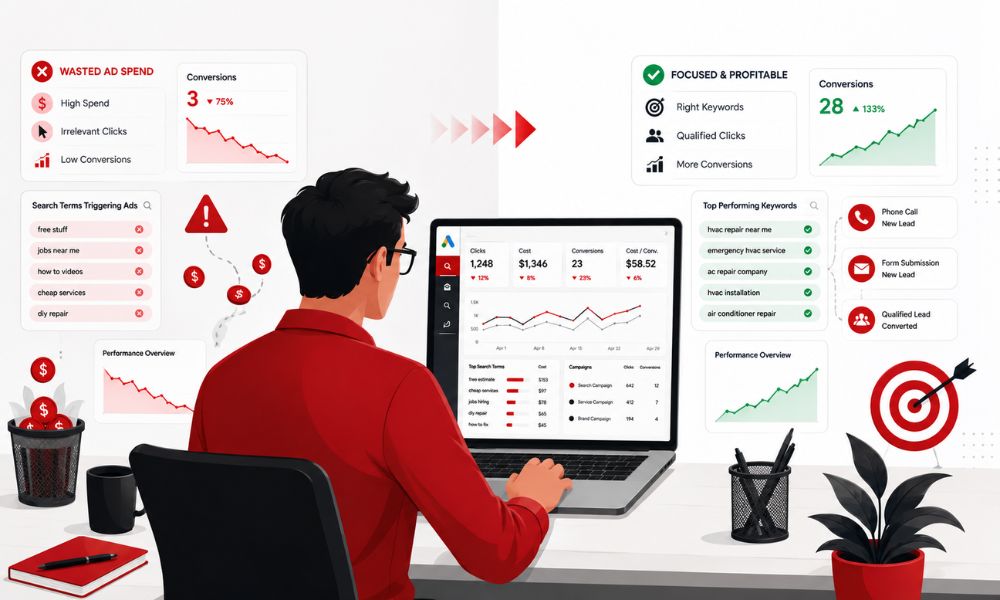
If you are still running the same Facebook ads to everyone within 20 miles or sending identical emails to your whole list, you are falling behind. Smarter targeting through platforms like Google Ads, including strategies covered in how to improve Google Ads CTR, makes a measurable difference.
The good news is you do not need a massive budget anymore. Local businesses can compete by being smarter, not louder.
Why This Matters More Than Ever Right Now
Customer expectations have changed. People do not want to sort through irrelevant results. They want businesses to anticipate what they need and present it clearly.
Searches like “plumber near me” continue to grow, supported by trends in voice search optimization and AI-powered search experiences. Generic digital ads and mass email campaigns are far less effective than they were before.
When content aligns with real intent, businesses appear higher in local search results. When messaging feels local and relevant, trust builds faster. This is the same principle behind strong local SEO strategies to increase revenue.
What Is Hyper-Personalized Marketing? (And How You Can Actually Use It)

Hyper-personalized marketing goes far beyond using a first name in an email. It means delivering the right message based on behavior, location, timing, and intent.
Basic personalization might segment by industry. Real personalization adapts messaging based on which pages someone viewed, how often they return, or which service pages they explored. This approach pairs well with effective local landing page SEO.
This works by analyzing on-site behavior, device usage, geographic data, and previous interactions to improve relevance with every touchpoint.
How This Works in Real Life

Websites can adapt content based on visitor location, traffic source, or device. A visitor from one neighborhood may see different CTAs than someone nearby, supported by conversion-focused design principles found in top website features to boost local business conversions.
Blog content becomes more effective when it addresses problems specific to a local audience instead of broad topics. This ties directly into modern local SEO vs organic SEO strategies.
Email becomes more relevant when messages are triggered by behavior, not schedules. Paid ads perform better when copy and landing pages match intent, supported by insights from Google Display Ads competitor research.
How AI Makes This Possible for Small Businesses

AI has removed many barriers that once made personalization expensive. Today’s marketing tools can dynamically adapt content, predict user needs, and personalize experiences without complex development.
Websites now adjust content automatically, supported by performance improvements explained in how website speed impacts your revenue. AI chatbots can respond based on browsing history and intent, improving engagement without sacrificing efficiency.
This approach aligns with evolving search guidance around AI content, including insights discussed in does AI-generated content hurt SEO.
How This Helps Your Local SEO and Content
Hyper-personalization improves engagement, which search engines use as a quality signal. Personalized experiences naturally increase time on site and conversions.
Creating location-based pages supports stronger local rankings, especially when paired with a well-structured site architecture and modern web design trends. Optimizing your Google Business Profile with localized updates further strengthens visibility.
This approach aligns with guidance from Google Search Central on search quality and relevance.
Making It All Work Together

Hyper-personalization works best when SEO, content, ads, website design, and email marketing operate together as a single system. Structuring content into clear topical areas helps users and search engines navigate your expertise.
Clear internal linking between SEO, Google Ads, and web design content mirrors best practices outlined in complete website audit checklist 2026 and modern Generative Engine Optimization, as explained in the GEO guide.
AI-powered search systems favor websites that demonstrate real expertise through structure, relevance, and helpful content.
Wrapping Up

Hyper-personalized marketing is no longer optional. It is essential for local businesses that want to grow in 2026. Businesses that focus on relevance show up more in search results, earn trust faster, and convert more customers.
At Red Rattler Creative, we help local businesses build AI-powered strategies that strengthen local SEO, improve content performance, and create long-term growth. If you are ready to stop competing on volume and start winning through relevance, you can explore our work or get in touch via the contact page.